


Sustainable fashion isn't a niche anymore. It isn't a trend, either, at least not in the way trends usually work, burning bright for a season before fading into irrelevance. What's happening in 2026 feels different. It feels structural. The industry is shifting at its foundations, and the changes aren't coming from one direction, they're converging from everywhere at once.
Here's what's actually shaping the fashion landscape this year, and what it means for how we shop, dress, and think about our wardrobes.
1. Biodegradable Materials Go Mainstream
For years, biodegradable fabrics and materials lived in the realm of prototypes and pilot programs. That era is over.
In 2026, we're seeing biodegradable vegan leathers, plant-based textiles, and compostable packaging move from experimental to commercially viable, and consumer-ready. The technology has matured enough that these materials now rival conventional options in durability, aesthetics, and feel.
What makes this significant isn't just the materials themselves, but what they represent: a fashion industry that's finally designing for end of life, not just point of sale. A bag or a jacket that performs beautifully for years, then breaks down naturally instead of sitting in a landfill for centuries? That's not a compromise. That's progress.
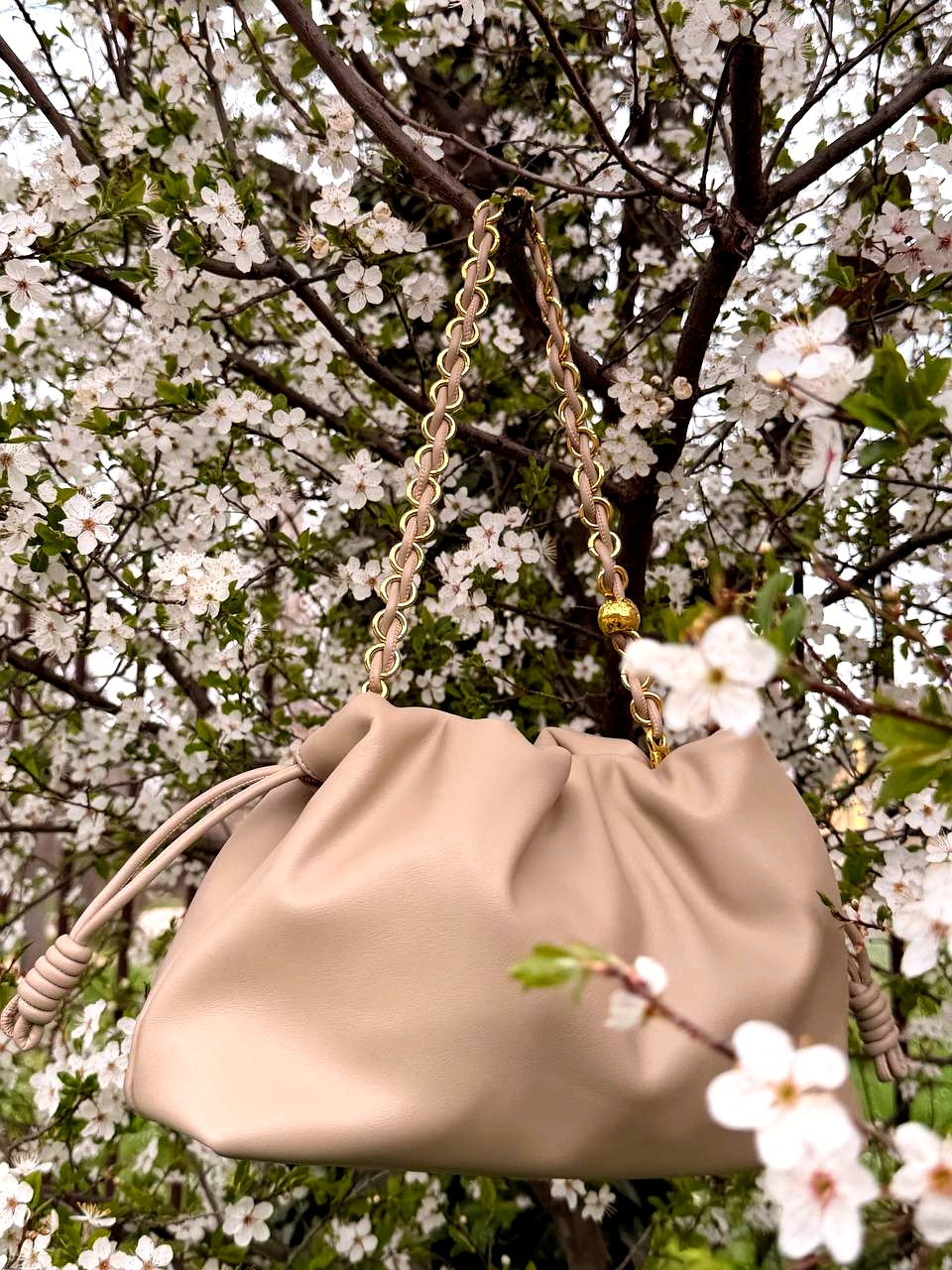
Brands like Performa Milano have been early adopters of this approach, using biodegradable vegan leather in collections that prove sustainability and style aren't mutually exclusive.
2. Slow Fashion Becomes the Default
The backlash against fast fashion has been building for years. In 2026, it's reached a tipping point.
Consumers, particularly younger demographics, are increasingly choosing fewer, better things over endless cycles of cheap, disposable clothing. The numbers back this up: searches for "capsule wardrobe" and "buy less, buy better" have hit record highs. Resale platforms continue to grow. And brands that prioritize quality over quantity are outperforming their fast-fashion competitors in customer loyalty metrics.
Slow fashion isn't about deprivation. It's about intention. It's choosing a bag you'll carry for five years over five bags you'll discard in five months. It's understanding that the cheapest option usually isn't the most economical one, because you end up replacing it three times.
This shift favors brands built on craftsmanship and durability over hype and volume. And it's reshaping how the entire industry thinks about production schedules, inventory, and customer relationships.
3. The Circular Economy Takes Hold
Linear fashion, make, use, dispose, is being replaced by circular models that keep materials in use for as long as possible.
In practice, this means:
- Repair programs offered by brands to extend product life
- Take-back schemes where old products are recycled into new materials
- Rental and resale integrated directly into brand websites
- Modular design, products made with components that can be replaced or upgraded rather than discarded
The circular economy isn't just environmentally beneficial; it's economically smart. Brands that embrace it build deeper customer relationships, reduce waste costs, and create additional revenue streams. Consumers benefit from products designed to last, adapt, and eventually return to the earth rather than clog it.
4. Minimalist Design as Sustainability Statement
There's a growing recognition that design itself is a sustainability tool. Excessive embellishment, trend-chasing silhouettes, and logo-heavy aesthetics all contribute to premature obsolescence, you stop wearing something not because it wears out, but because it looks dated.
Minimalist design sidesteps this entirely. Clean lines, timeless proportions, and restrained detailing create pieces that remain relevant season after season, year after year. A well-designed minimalist bag from 2024 looks just as good in 2026, and will look just as good in 2028.
This is Italian design philosophy at its core: nothing unnecessary, nothing missing. Form follows function. Every element earns its place. The result is products that people keep and use, rather than discard and replace.
It's no coincidence that minimalist brands are among the most sustainable, not because minimalism is trendy, but because it's inherently waste-resistant.
5. Radical Transparency Becomes Expected
Consumers in 2026 don't just want to know a product is "sustainable", they want proof.
This means:
- Full supply chain disclosure: Where materials come from, who makes the product, under what conditions.
- Material breakdowns: Exactly what a product is made of, in percentages, with certifications to back it up.
- Environmental impact data: Carbon footprint, water usage, and waste metrics, per product, not just per company.
- Honest marketing: No more vague terms like "eco-friendly" or "conscious collection" without substance behind them. Greenwashing is being called out faster than ever, and brands caught doing it face real reputational damage.
The brands thriving in this environment are the ones that welcome scrutiny because they have nothing to hide. Transparency isn't a marketing strategy, it's a business practice that builds genuine trust.
What This Means for You
If you're someone who cares about how your choices affect the world, even in small ways, 2026 is an encouraging year. The options are better than ever. The materials are more innovative. The brands that align with your values are easier to find and more accessible than they've ever been.
You don't need to overhaul your entire wardrobe to participate in this shift. Start with one decision: the next time you need a bag, a jacket, a pair of shoes, choose something made with intention. Something built to last. Something made from materials that respect both people and the planet.
That single choice, multiplied across millions of consumers, is what's driving the transformation we're seeing right now.
Want to be part of the change? Explore Performa Milano's collection — minimal bags handcrafted in Italy, in your choice of cruelty-free vegan leather or genuine, high-quality Italian leather, made to last. Beautiful things, made with intention.