



Vegan Leather: What It Is and Why You Should Choose It in 2026
If you've been paying attention to fashion over the past few years, you've probably noticed a quiet revolution happening. Vegan leather, once dismissed as "fake" or "cheap", has evolved into a sophisticated, high-performing material that's changing how we think about accessories, clothing, and sustainability. But what exactly is it, and why are so many people making the switch?
Let's break it down.
What Is Vegan Leather, Exactly?
At its simplest, vegan leather is any material that mimics the look, feel, and functionality of traditional animal leather, without using animal hides. But that definition barely scratches the surface, because the world of vegan leather has expanded dramatically.
Today, there are several distinct categories:
PU (Polyurethane) Leather
This is the most common type. PU leather is made by applying a polyurethane coating to a fabric base. It's lightweight, water-resistant, and significantly more affordable than animal leather. Modern PU leathers have come a long way from the stiff, plastic-looking materials of a decade ago, the best versions are soft, supple, and nearly indistinguishable from the real thing by touch alone.
Plant-Based Leathers
This is where things get exciting. Innovators around the world are developing leather alternatives from cactus (Desserto), pineapple leaves (Piñatex), apple waste, mushroom mycelium (Mylo), and even grape skins leftover from wine production. These materials combine natural fibers with minimal synthetic binders, resulting in products with remarkably low environmental footprints.
Biodegradable Vegan Leather
The latest frontier. Some manufacturers are now producing vegan leathers designed to break down naturally at end of life, rather than sitting in landfills for centuries. These biodegradable options represent the future of the industry, and they're already being used by forward-thinking brands like Performa Milano in their collections.
How Is Vegan Leather Made?
The production process varies depending on the type, but most vegan leathers follow a general pattern:
- Base layer creation, A woven or non-woven fabric (cotton, polyester, or plant fiber) forms the structural foundation.
- Coating application, A polymer layer (polyurethane, plant-based resin, or bio-based compound) is applied to the base, giving it the characteristic leather-like texture and finish.
- Texturing and finishing, The surface is embossed, dyed, and treated to achieve different grains, colors, and tactile qualities, from smooth and glossy to pebbled and matte.
Compared to traditional leather tanning, which involves chromium salts, formaldehyde, and massive water consumption, vegan leather production is considerably cleaner. No animal farming, no toxic tanning chemicals, and significantly lower water usage.
Environmental Benefits: The Numbers Don't Lie
The environmental case for vegan leather is compelling:
- Carbon footprint: Animal leather production generates roughly 17 kg of CO₂ per square meter. High-quality vegan alternatives can reduce this by 40-80%, depending on the material.
- Water usage: A single cowhide requires approximately 17,000 liters of water to produce. Vegan alternatives use a fraction of that.
- Land use: Livestock farming is a leading driver of deforestation worldwide. Choosing plant-based materials helps reduce demand for grazing land.
- Chemical pollution: Leather tanneries are among the most polluting industrial operations. Many discharge chromium and other heavy metals into waterways.
Of course, not all vegan leathers are equally sustainable. Cheap PVC-based materials (which are technically "vegan" but environmentally problematic) should be avoided. The key is choosing brands that use high-quality PU, plant-based, or biodegradable vegan leathers.
Vegan Leather vs. Animal Leather: An Honest Comparison
Let's be fair, both materials have pros and cons.
Durability: Premium animal leather can last decades with proper care. But high-quality vegan leather has closed the gap significantly. Modern formulations can last 5-10+ years with normal use, and biodegradable options are designed to perform beautifully throughout their intended lifespan before breaking down responsibly.
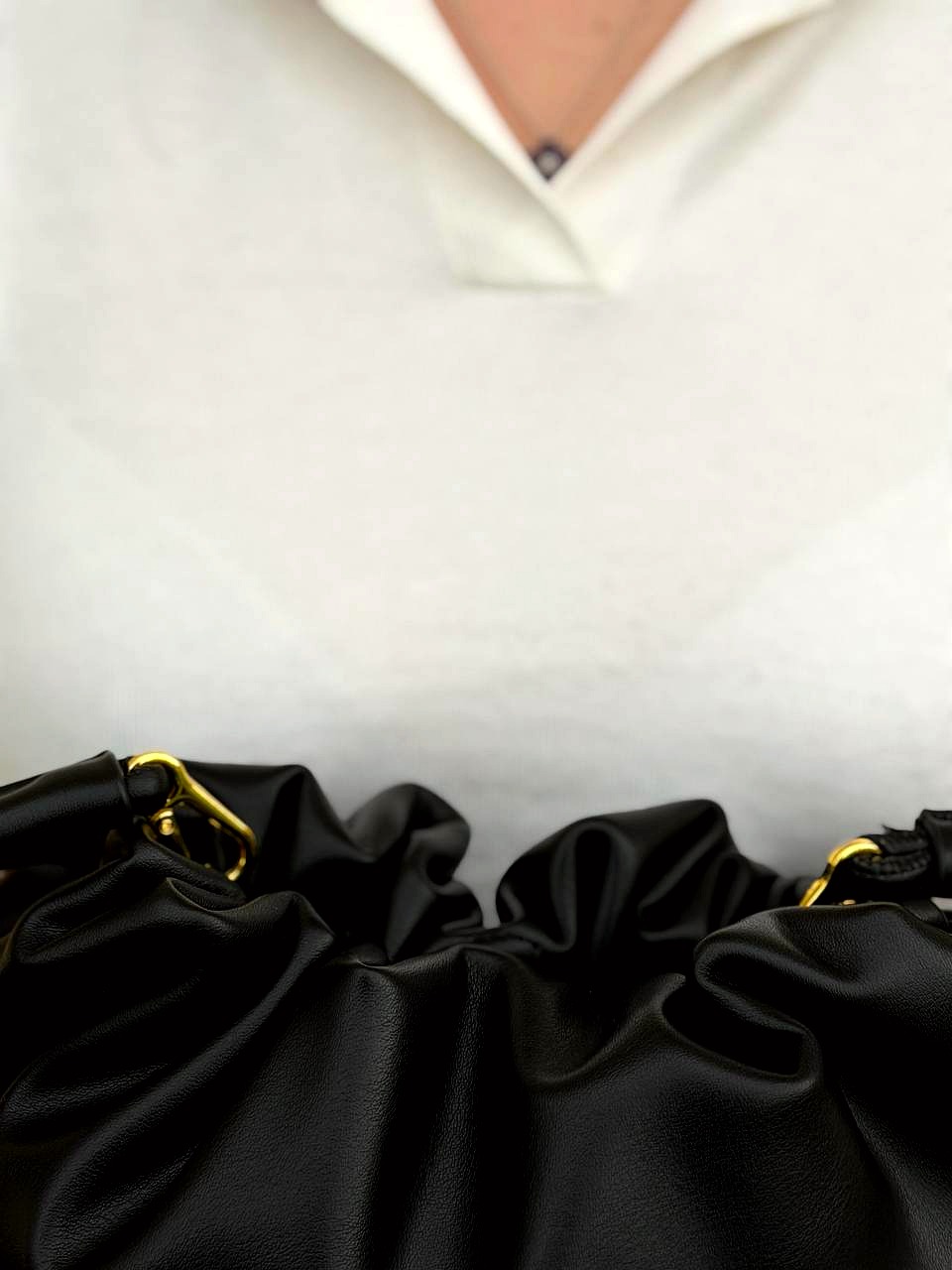
Look and feel: This is where perception lags behind reality. If you haven't touched a premium vegan leather bag recently, you might be surprised. The texture, weight, and drape of top-tier vegan leathers are genuinely impressive.
Ethics: This one's straightforward. No animals are harmed in the production of vegan leather. For many people, that's reason enough.
Price: Vegan leather products tend to be more accessible in price, though high-end plant-based leathers can match or exceed animal leather costs, reflecting the innovation and quality behind them.
Why 2026 Is the Year to Make the Switch
The technology has matured. The materials are better than ever. Consumer awareness around sustainability is at an all-time high, and the fashion industry is responding. Major luxury houses are experimenting with vegan alternatives, and independent brands are leading the charge with materials that are both beautiful and responsible.
If you've been curious about vegan leather but weren't sure the quality was "there yet", it is. And it has been for a while.
Choosing Well Matters
Not all vegan leather is created equal, and not all brands that use it share the same values. When shopping for vegan leather accessories, look for transparency about materials, craftsmanship in the details, and a genuine commitment to sustainability, not just marketing buzzwords.
At Performa Milano, every bag is crafted from cruelty-free, biodegradable vegan leather with a focus on Italian minimalist design that's built to last. Because choosing better materials shouldn't mean compromising on style.
Ready to explore? Discover the full collection at Performa Milano and see what modern vegan leather looks and feels like.


